The Science Behind Forged Iron: From Heat to Hammer
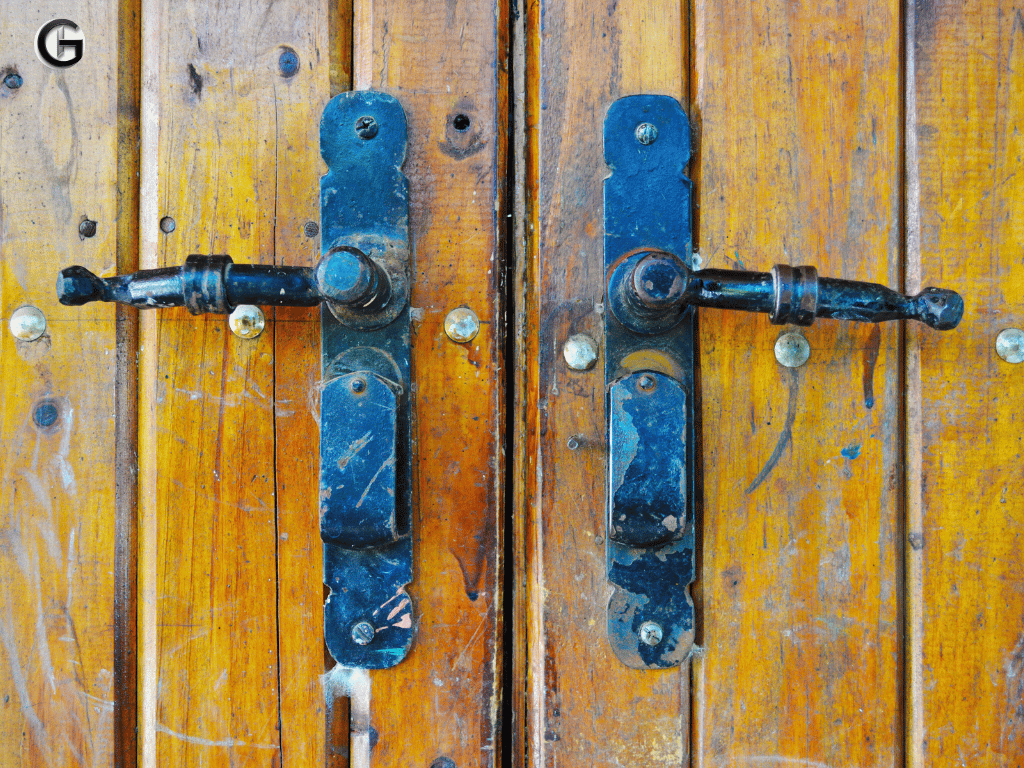
When you look at a forged iron gate or a heavy latch, you might think about the design. But there is a lot more going on behind the design. The strength, weight, and even the look of the iron come from a process that has been going on for generations.
Forging iron isn’t just a process of working with metal; it’s a process of changing the metal itself.
How Forged Iron Is Made
To understand why forged iron is so reliable, it helps to know how forged iron is made in the first place.
Unlike casting, where metal is melted and poured into molds, forging works with solid iron. The iron is heated until it becomes soft enough to work with, but it never turns into liquid. This small difference changes everything.
Because the metal is not poured, its internal structure stays more controlled. That is one reason forged iron tends to last longer in real-world use.
Step by Step Forging Process of Iron
If you look at it carefully, the step by step forging process of iron is not very complicated, but the way each step is conducted is what matters.
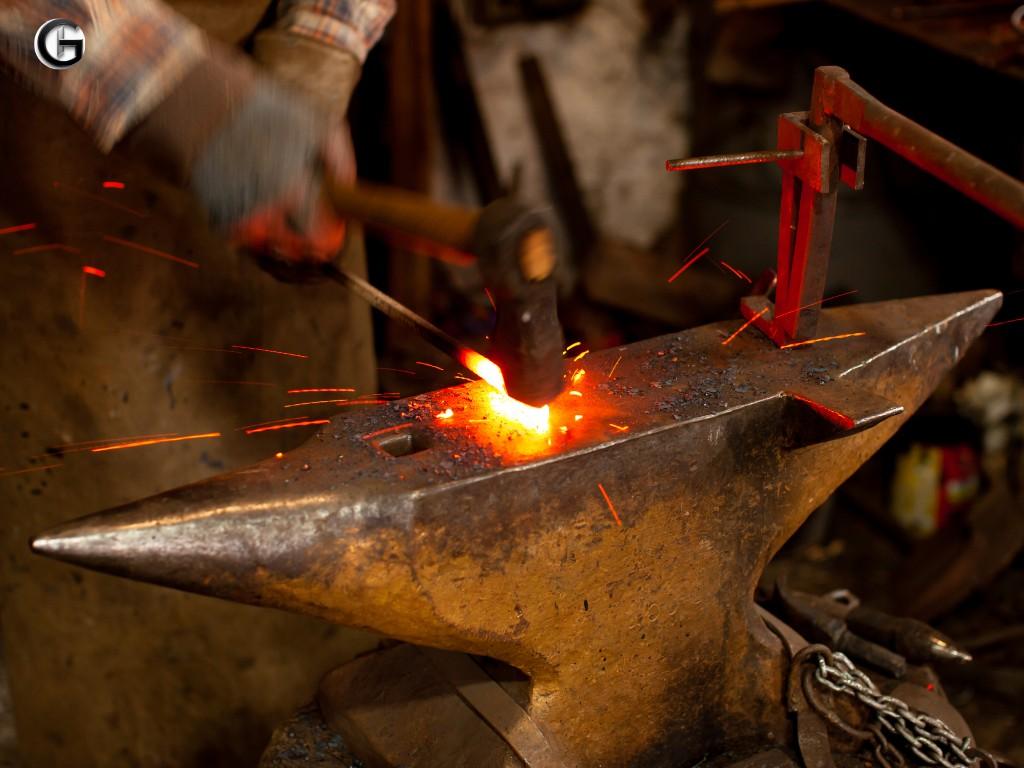
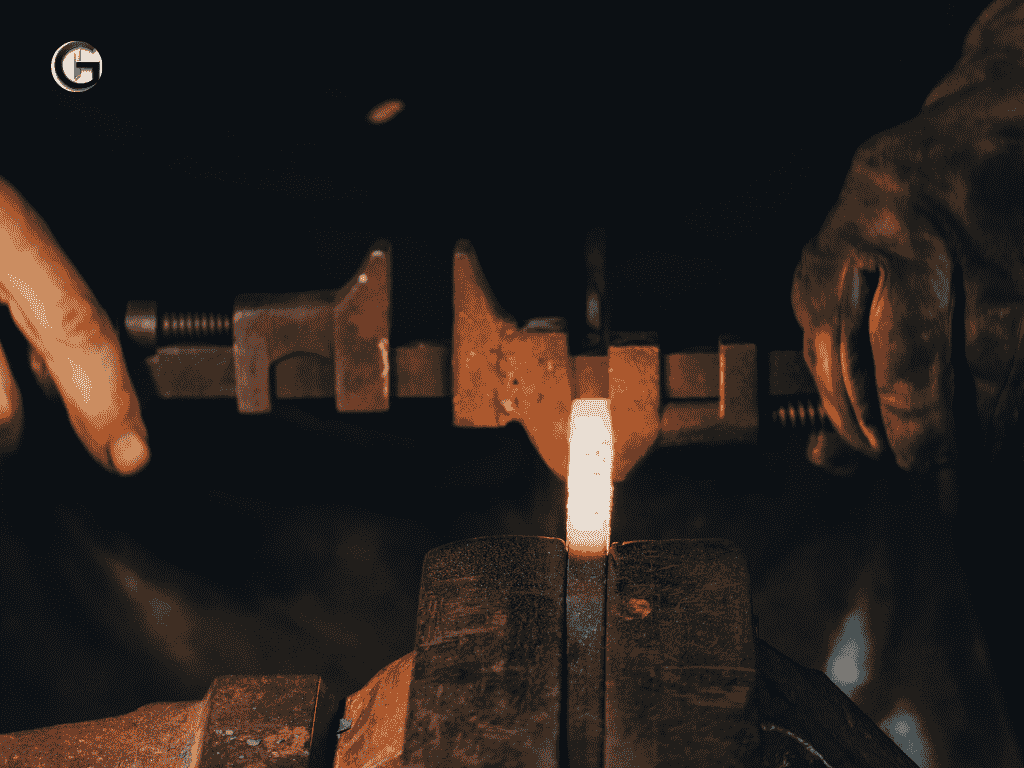
It is said to begin with the heating of the iron in a furnace. The iron is heated to a very high temperature, making it soft enough to be molded, though not melted. At this point, the iron is now ready to be molded.
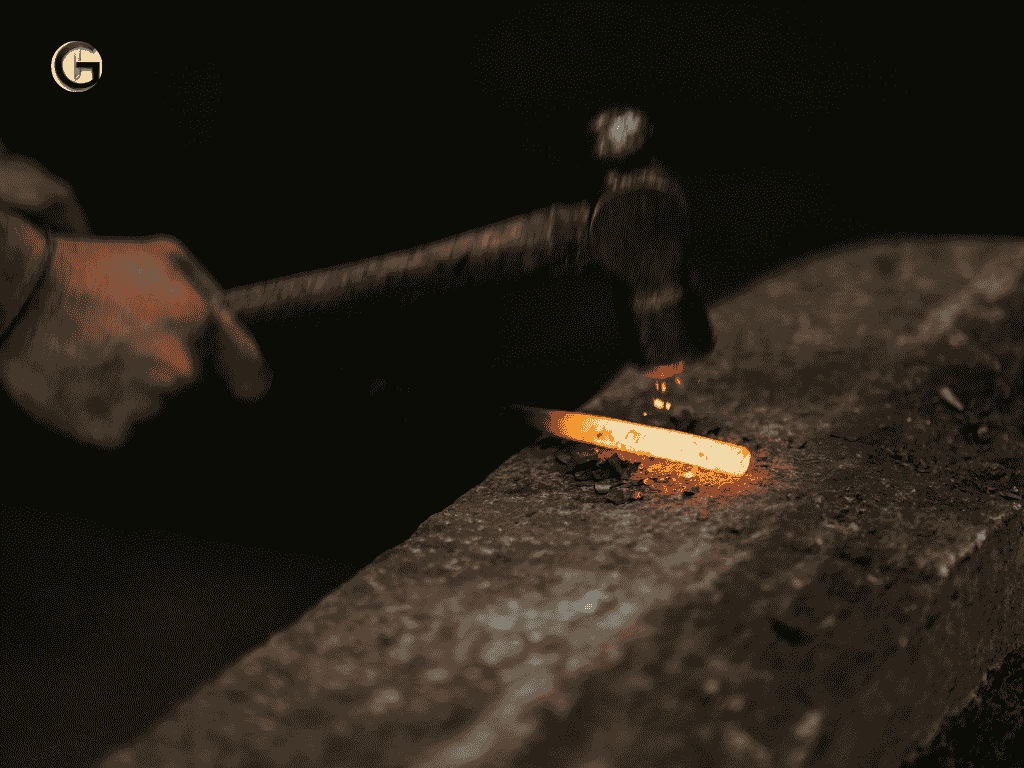
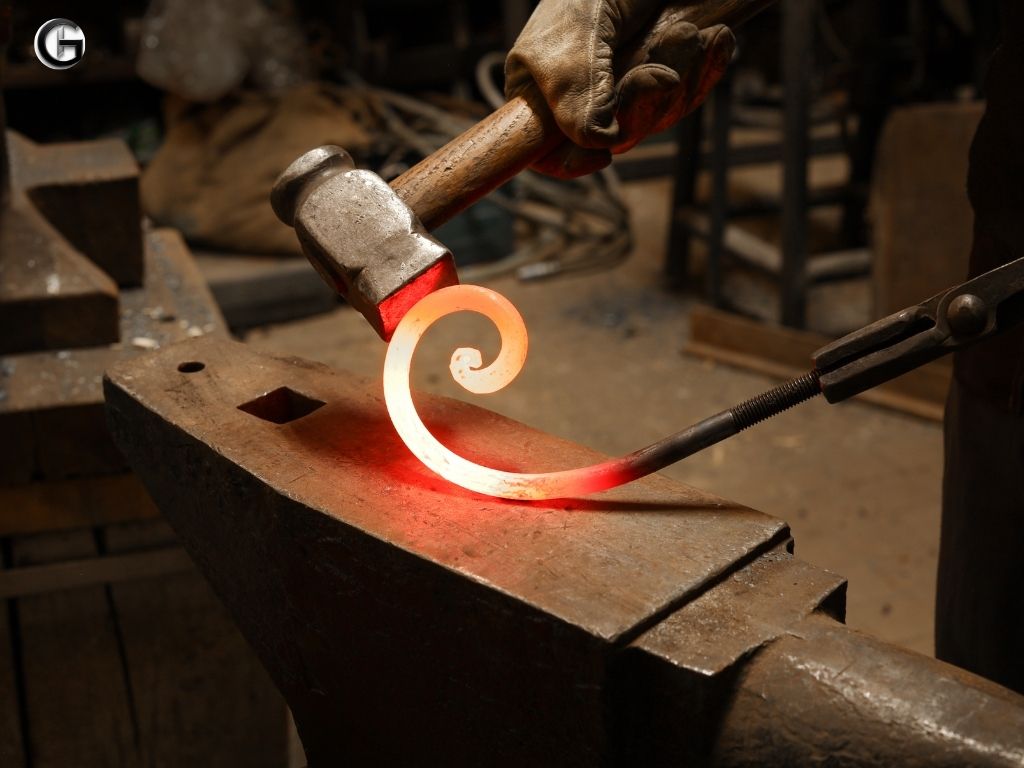
Then comes the hammering part, which may be conducted either manually or by machines. The hammering is not just meant to give the iron a new shape, but to press it and make it even more compact.
Then comes the repeated shaping of the iron, which may seem easy, but is actually where most of the strength is attained. The repeated shaping is what makes the iron even tighter from the inside with each hammering.
Finally, the iron is left to cool down, which is conducted in a very careful manner since, if cooled either too fast or too slow, it affects the strength. Once this is conducted properly, the iron is able to hold up and last for a very long time.
What Makes Forged Iron Strong
A common question people ask is why forged iron performs better over time. The answer is not complicated, but it is important.
When iron is hammered while hot, its internal grains shift and settle closer together. Small gaps inside the metal are reduced. That means fewer weak points.
So, instead of being brittle, the metal becomes tougher and more reliable. This is why forged iron is often used in things that need to handle weight and regular movement.
Forged Iron vs. Cast Iron Strength
The issue of forged iron vs. cast iron strength arises when people are trying to decide which one to use for something that will last a while.
In the case of cast iron, it involves completely melting the iron first before casting it into a mold. This does the trick, of course, but the process of cooling off leaves it somewhat rigid and even brittle at times.
In the case of forged iron, it does not involve melting the iron. Rather, it involves heating it up before pressing it into shape. This helps to tighten it from within, eliminating any weaknesses that may not be immediately apparent.
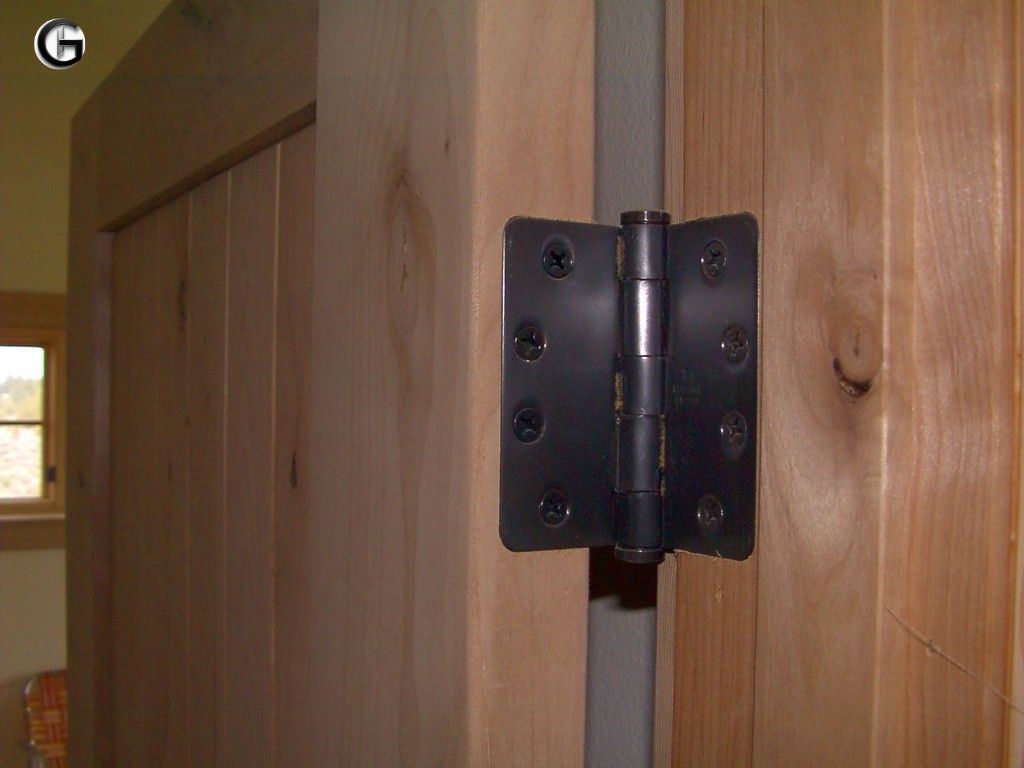
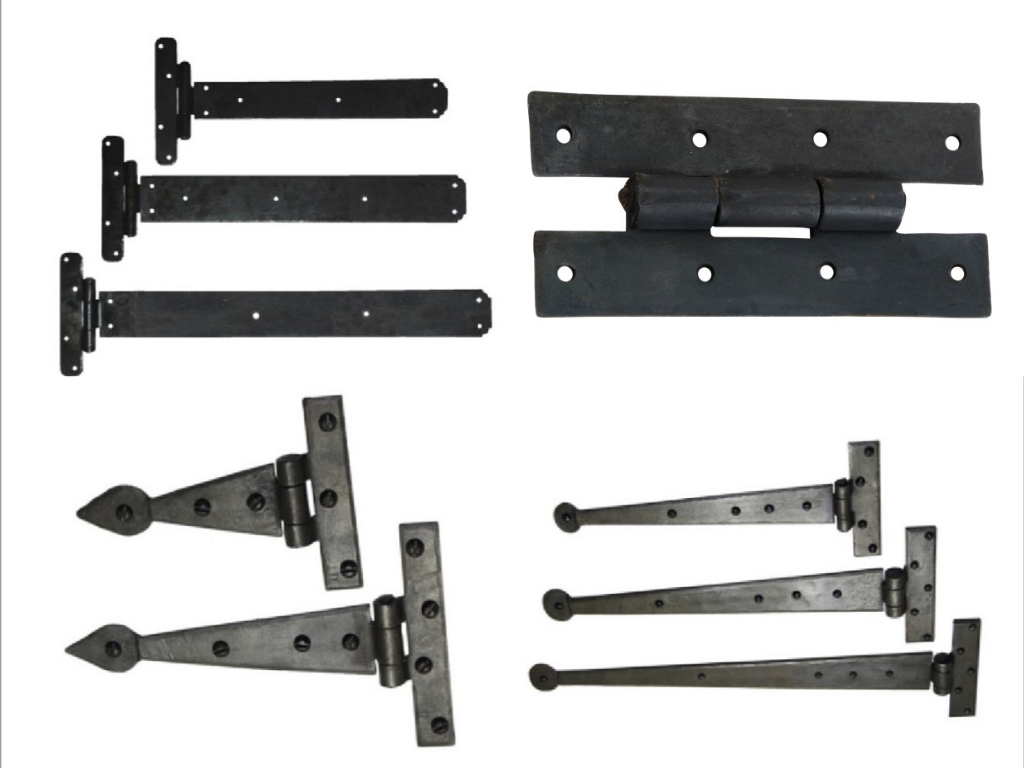
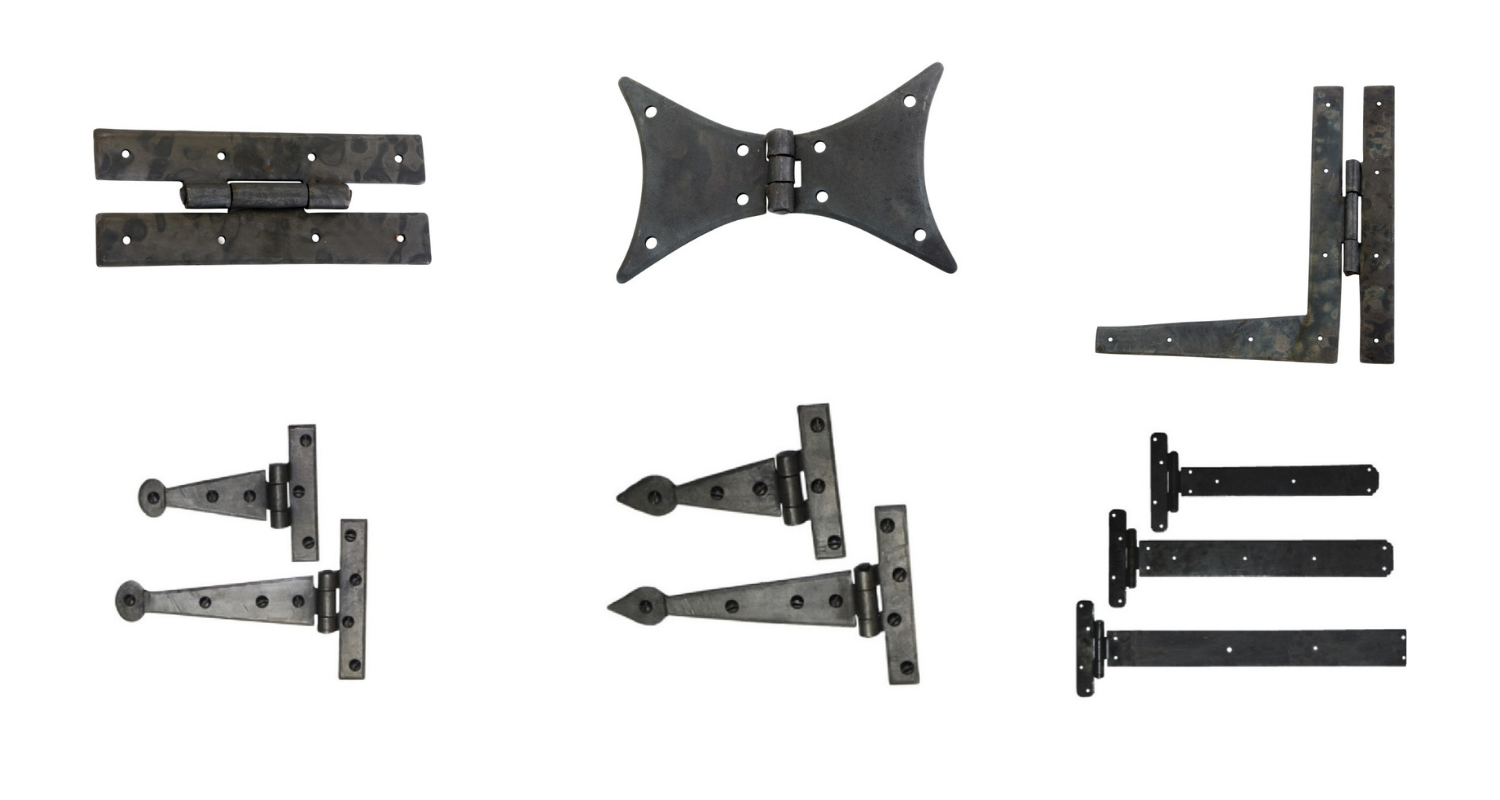
In this regard, it becomes clear that forged iron will be stronger. This is because it will be able to withstand use without cracking under pressure, unlike cast iron, which will crack if it encounters any kind of shock. This is why it becomes clear that, when it comes to practical use, forged iron will be the one to use for things like gates, hinges, and other hardware.
Why This Process Still Matters Today
Even with modern manufacturing methods, the basics of forging have not changed much. There is a reason for that.
The forged iron process produces a balance of strength and durability that is hard to match. It is not just about making something look strong. It actually performs better over time.
You will often see forged iron used in outdoor structures, not just because it looks traditional, but because it holds up under real conditions.
Conclusion
From the process of heating to that of hammering, each process has its importance in the creation of the final product. Once you understand the process of forging iron, you will understand why it has been trusted for long-lasting use.